REMOTE WORK STRATEGY
How to Hire Dedicated Remote Staff to Scale Your Business with Remote Employee Hiring Services
🕑 10 min read 💼 Business Growth

In today’s fast-paced business environment, leveraging a dedicated remote workforce is vital for scaling operations and accessing a broader talent pool. This article provides a comprehensive guide on how to hire dedicated remote staff effectively, focusing on best practices, key considerations, and the numerous potential benefits. You will learn how to define job roles clearly, leverage global talent pools, and implement structured onboarding processes. As businesses increasingly adopt remote work, understanding these strategies can enhance your ability to grow and innovate. This is especially critical as organizations face challenges in finding qualified staff locally, emphasizing the need for remote employee recruitment solutions. The article will also explore the benefits of hiring dedicated remote staff, the step-by-step hiring process, and essential legal considerations.
Best Practices
To effectively hire dedicated remote staff, organizations must implement several best practices to ensure successful recruitment and integration of remote employees.
Define Job Roles and Responsibilities
Clearly outlining job roles and responsibilities is crucial for remote hiring success. By establishing specific expectations, organizations can communicate their needs effectively, ensuring potential candidates understand what is required. This clarity not only helps in attracting the right talent but also sets a foundation for accountability in remote work settings. Defining roles tailored to long-term organizational goals can also enhance job satisfaction and retention among remote employees, fostering a more engaged workforce.
Leverage Global Talent Pools
Accessing diverse talent through global talent pools is another significant advantage of remote hiring. Companies can source qualified candidates from various geographical locations, thereby enriching their workforce with diverse perspectives and skill sets. Research shows that embracing global hiring practices can broaden expertise within teams and drive innovation. By tapping into different markets, organizations also better reflect their client base, fostering inclusivity and cultural understanding within teams. For instance, opting to hire a digital marketing assistant remote can significantly boost your online campaigns while keeping overhead costs manageable.
Implement a Structured Onboarding Process
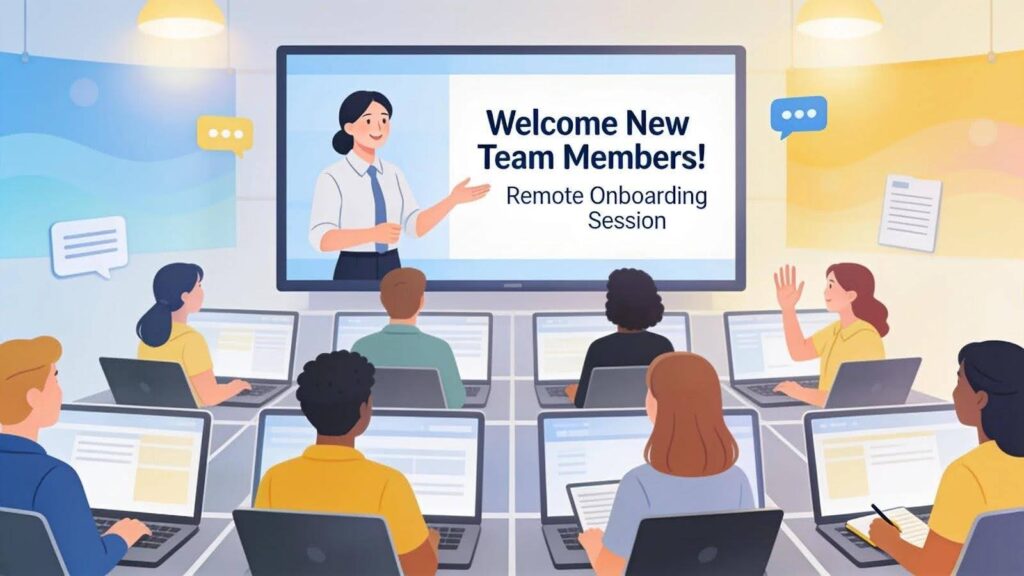
An effective onboarding process is vital for remote employees to feel integrated into the company culture. Organizations should implement structured onboarding programs that encompass orientation, training, and mentorship. Providing employees with the tools and resources they need from day one enhances their confidence and productivity, leading to a smoother transition and ultimately reducing turnover rates. By investing in onboarding, companies can set the tone for positive work relationships, even from a distance.
Key Considerations
While hiring dedicated remote staff comes with numerous benefits, businesses must also consider various challenges. A strategic approach involves understanding the dynamics of remote work environments, legal implications, and compliance with labor laws. Moreover, organizations must establish metrics to gauge productivity and engagement of remote employees consistently. Adopting these considerations ensures a sustainable approach to remote workforce management.
Potential Benefits
The benefits of hiring dedicated remote staff extend beyond merely filling positions. Organizations that embrace this model report increased flexibility, reduced overhead costs, and enhanced productivity levels. Moreover, remote work often leads to higher employee satisfaction, as workers enjoy greater work-life balance. By leveraging technology to support remote teams, organizations can create agile work environments conducive to growth and innovation.
As remote work continues to evolve, understanding its benefits becomes even more critical for businesses looking to scale.
Benefits of Work-at-Home Solutions for Business Scalability
The benefits of working at home (WAH) are well documented: a 55 percent increase in productivity, improved employee satisfaction, a significant increase in recruitment and retention metrics, and companies gain from savings on office space and other overheads. It is little wonder, therefore, that WAH is growing at an incredible pace with a 115 percent increase in at-home workers since 2005, and more now with the unfortunate coronavirus pandemic (Analytics, 2020).
– The challenges facing Business Process Outsourcing in delivering scalable and secure work-at-home solutions: a focus on senior technical and information staff, 2022
What Are the Benefits of Hiring Dedicated Remote Staff for Business Scaling?
Organizations can achieve substantial growth by hiring dedicated remote staff. This staffing model allows businesses to expand their workforce rapidly without the need for physical office space, significantly cutting overhead expenses. Furthermore, accessing a global talent pool enables organizations to find specialists who perfectly match their specific needs, driving project success. Increased flexibility in staffing also allows companies to scale operations up or down based on project demands, ensuring they remain agile in competitive markets.
How Does Outsourcing Remote Staff Improve Cost-Effectiveness and Talent Quality?
Outsourcing remote staff can be a cost-effective solution for businesses looking to enhance their capabilities. By reducing wages typically paid for local employees and saving costs associated with office space, organizations can allocate resources to other critical areas such as technology and training. Additionally, focusing on specialized outsourcing allows companies to maintain high-quality standards, as they can select candidates who possess the necessary skills and experience to excel in their roles.
Which Business Growth Opportunities Arise from Remote Workforce Expansion?
Expanding a remote workforce can create several business growth opportunities. By integrating diverse talents and perspectives, companies can improve creativity and problem-solving capabilities within teams. Additionally, organizations can tap into emerging markets and trends more effectively by incorporating remote staff with local knowledge. This dynamic approach can lead to innovative products and services that resonate more with customer needs, ultimately fueling business growth.
What Is the Step-by-Step Process to Hire Dedicated Remote Employees Efficiently?
Hiring dedicated remote employees efficiently involves a structured approach:
- Identify Your Needs: Clearly outline the skills and expertise required for the position.
- Develop a Recruitment Plan: Choose appropriate platforms for outreach and sourcing.
- Screen Candidates Thoroughly: Use structured interviews and assessments to evaluate skills.
- Engage in an Effective Onboarding Process: Ensure new hires receive the necessary orientation and training.
- Utilize Feedback Mechanisms: Seek regular input from remote employees to improve engagement and retention.
Following this process can streamline the recruitment of top talent, ensuring a good fit for the organization and enhancing productivity.
How to Source, Vet, and Select Top Remote Professionals?
Sourcing top remote professionals involves utilizing various strategies, including:
- Job Boards and Freelance Platforms: Target websites that focus specifically on remote job listings.
- Social Media and Networking: Engage with potential candidates through professional networks such as LinkedIn.
- Referral Programs: Encourage current employees to refer potential candidates, leveraging their networks.
After identifying candidates, it’s critical to vet them thoroughly through interviews and skill assessments. This rigorous selection process ensures that organizations hire the most qualified professionals suited to remote work requirements.
What Are the Essential Legal and Compliance Considerations When Hiring Remote Staff?
When hiring remote staff, companies must navigate complex legal and compliance issues, including:
- Local Labor Laws: Ensure adherence to regulations governing employment in the candidate’s location.
- Tax Obligations: Understand the implications of hiring employees in different jurisdictions.
- Data Security Regulations: Implement measures to comply with data protection and privacy laws.
Addressing these considerations is essential for mitigating risks associated with remote employee management and ensuring compliance with diverse regulatory frameworks.
How Can Businesses Manage and Support Managed Remote Teams Effectively?
To manage and support remote teams effectively, businesses should establish clear communication channels and utilize collaborative tools. Regular team meetings and check-ins can foster connection and accountability, enabling team members to feel supported. Additionally, providing ongoing professional development opportunities can enhance remote employees’ skills and job satisfaction, ultimately leading to improved performance.
Which Tools and Technologies Facilitate Remote Team Collaboration?
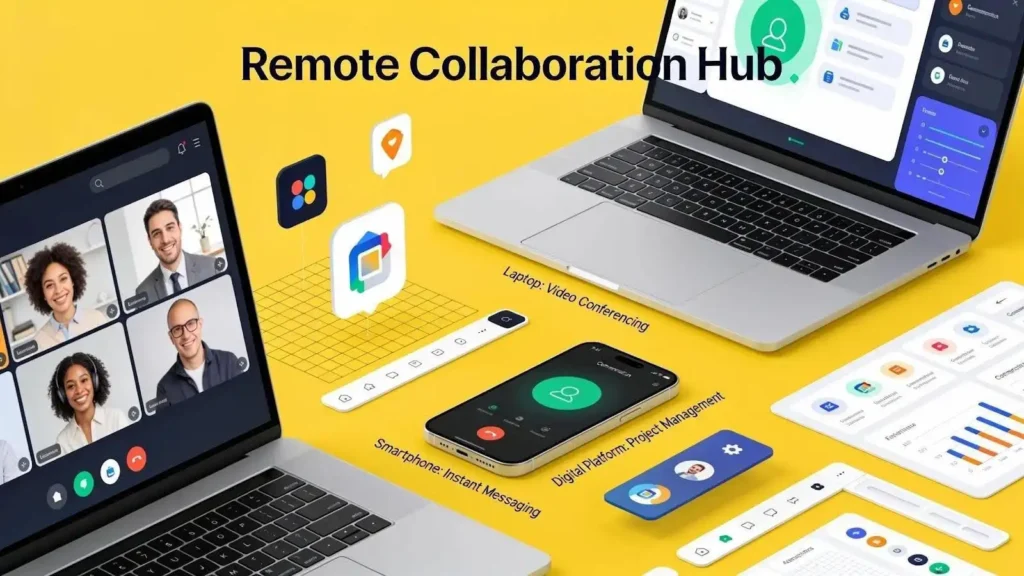
Numerous tools and technologies have emerged to facilitate remote team collaboration:
Tool Type
Example
Purpose
Communication
Slack
Instant messaging and file sharing
Project Management
Trello
Task organization and tracking
Video Conferencing
Zoom
Virtual meetings and consultations
Time Management
Toggl
Time tracking and productivity assessments
These tools help maintain connection among remote team members, ensuring smooth workflows and promoting engagement even from afar. Their implementation is crucial for optimizing team collaboration and effectiveness.
What Are Best Practices for Time Zone Coordination and Performance Management?
Effectively managing teams across different time zones requires established best practices. Companies should:
- Set Core Hours: Define overlapping working hours for synchronous communication.
- Use Time Zone Tools: Implement scheduling tools to facilitate meeting setup.
- Encourage Asynchronous Work: Promote documentation and task management to accommodate different schedules.
Employing these practices helps mitigate challenges related to time zone differences, enhancing collaboration and productivity within remote teams.
Why Should You Choose the Best Remote Staffing Agencies for Hiring Dedicated Developers and Specialists?
Selecting the best remote staffing agencies can provide several advantages. These agencies specialize in sourcing skilled remote candidates, thereby simplifying the hiring process significantly. Agencies often have established networks and robust vetting procedures, ensuring that the candidates presented are quality individuals suited for remote work dynamics. Additionally, staffing agencies can offer ongoing support and resources, helping businesses to manage their remote employees effectively.
What Qualities Define Top Remote Employee Hiring Services?
Top remote employee hiring services are characterized by proficiency in:
- Candidate Sourcing: Efficiently identifying and attracting qualified candidates.
- Vetting Processes: Implementing reliable assessments and background checks.
- Industry Expertise: Having deep knowledge of specific sectors to cater to unique hiring needs.
These qualities ensure that organizations engage with agencies that can deliver the right talent HREd to their requirements, enhancing recruitment outcomes.
How Do Client Success Stories Demonstrate Agency Expertise and Reliability?
Client success stories provide valuable insights into an agency’s expertise and reliability. Testimonials and case studies reveal how agencies have effectively addressed challenges faced by other businesses in hiring processes. Agencies that highlight specific examples of successful placements or problem-solving abilities tend to attract more clients, as prospective businesses recognize their capability to deliver results based on real experiences.
What Are the Key Challenges and Compliance Risks When Outsourcing Remote Staff?
Outsourcing remote staff can present several challenges. Organizations might face communication barriers, differing time zones, and cultural misunderstandings. Moreover, compliance risks related to labor laws and regulatory frameworks can complicate the hiring process. To mitigate these challenges, businesses should thoroughly research and establish effective communication strategies while ensuring that they comply with relevant legal obligations.
How to Navigate Tax, Labor Laws, and Data Security for Remote Employees?
Navigating tax, labor laws, and data security requires a comprehensive understanding of the regulations applicable to remote employees. Organizations should:
- Consult Tax Professionals: Seek expertise on tax implications of hiring in different jurisdictions.
- Stay Updated on Labor Laws: Regularly review relevant local and international employment laws.
- Implement Robust Data Protection Protocols: Ensure compliance with data security regulations to protect employee information.
By adopting these measures, companies can efficiently manage remote staff while minimizing liabilities associated with hiring outside their operation areas.
What Are Effective Solutions for Mitigating Remote Workforce Legal Issues?
Mitigating legal issues associated with remote work involves developing clear policies and procedures regarding employment practices. Implementation of comprehensive training on labor laws and best practices ensures all employees are informed of their rights and responsibilities. Additionally, maintaining open communication channels enables employees to voice concerns, promoting a legally compliant and respectful workplace.
In conclusion, understanding how to hire dedicated remote staff is crucial for businesses aiming to scale effectively. Through well-defined processes and strategic approaches, organizations can access global talent pools while fostering team collaboration and compliance with regulatory requirements. By embracing remote staffing solutions, companies position themselves for long-term success in a competitive marketplace.